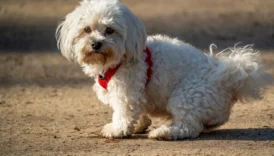
Advanced Shih Tzu Training: Beyond the Basics

- Advanced Shih Tzu Training: Beyond the Basics
- Why Advanced Training Matters for This Breed
- Building on Foundation Skills
- Proofing Your Commands
- Complex Command Chains and Sequences
- Teaching Practical Advanced Behaviors
- Settling on Cue
- Leave It and Take It
- Targeting and Object Discrimination
- Managing the Shih Tzu Training Mindset
- Working Through Resistance
- Competition Obedience and Rally
- Trick Training for Mental Enrichment
- Addressing Behavioral Challenges Through Advanced Training
- Alert Barking and Threshold Manners
- Anxiety and Confidence Building
- Conclusion: Unlocking Your Shih Tzu's Potential
- Frequently Asked Questions
- How long does it take to teach a shih tzu advanced tricks?
- Are shih tzus too stubborn for advanced obedience training?
- Can senior shih tzus learn new advanced behaviors?
- What's the best reward for training a food-motivated shih tzu?
- How do I know if I'm moving too fast in advanced training?
Advanced Shih Tzu Training: Beyond the Basics
Your shih tzu sits perfectly on command, comes when called, and hasn’t chewed the furniture in months. You’ve crossed the basic obedience finish line, and now you’re wondering what’s next. Maybe you’ve noticed your fluffy companion getting a little bored during training sessions, or perhaps you’re itching to show off what your clever pup can really do. The truth is, these small dogs with their surprisingly stubborn streak and royal heritage are capable of far more than most owners realize. Advanced training isn’t just about party tricks—it’s about mental stimulation, confidence-building, and deepening the communication between you and your shih tzu.
Why Advanced Training Matters for This Breed
Shih tzus weren’t bred to herd sheep or retrieve ducks. Their ancestors warmed the laps of Chinese emperors and lived in palaces. This history shows up in their personality—they’re companion dogs through and through, but they’re also independent thinkers who won’t blindly follow commands without a good reason. That combination makes advanced training both challenging and incredibly rewarding.
Mental exercise tires out a shih tzu faster than a 30-minute walk ever will. A bored dog of this breed often becomes a yappy dog, or one that develops separation anxiety. Teaching complex behaviors gives them a job to do, satisfies their need for engagement, and channels that stubborn intelligence into something productive. You’ll notice the difference within two weeks of consistent advanced training—calmer behavior at home, better focus during regular activities, and a dog that actually enjoys learning.
These dogs also form incredibly strong bonds with their people. Advanced training sessions become a language you share, a way to communicate that goes beyond basic needs. Your shih tzu learns to read your subtle body language, and you learn to interpret the tiny shifts in their expression—the slight head tilt that means confusion, the focused stare that signals they’re ready to work.
Building on Foundation Skills
Before diving into complex tricks, your dog needs rock-solid basic commands. “Stay” should mean staying for three minutes while you walk to another room. “Come” should work even when a squirrel darts across the yard. If your shih tzu’s response to basic commands is still around 70% reliable, spend another month reinforcing those before moving forward.
The bridge between basic and advanced training is duration, distance, and distraction—the three Ds. Start extending how long your pup holds a sit-stay. Begin at 30 seconds, then 45, then a full minute. Practice recalls from 15 feet away, then 25, then across the entire yard. Add distractions gradually: a bouncing ball, another person walking by, food on the floor they need to ignore.
Proofing Your Commands
Proofing means testing behaviors in different contexts. Your shih tzu might sit perfectly in the living room but act like they’ve never heard the word at the park. Practice every command in at least five different locations—your bedroom, the backyard, a quiet street, a friend’s house, near a pet store entrance. Each new environment resets their understanding slightly, and working through that confusion builds genuine obedience rather than location-specific responses.
Complex Command Chains and Sequences
Once individual commands are solid, you can string them together into sequences. This is where training gets genuinely challenging for your dog’s brain. Instead of “sit,” try “sit, down, roll over, then come.” The dog needs to remember multiple steps, wait for each cue, and execute them in order.
Start with two-step sequences. “Touch my hand, then sit” works well for beginners. Use a different hand signal or verbal cue for each behavior so your shih tzu can distinguish between them clearly. Practice this sequence 8-10 times per session until your dog anticipates the second command after completing the first. Then add a third step.
Here’s a sample progression for teaching a four-step sequence over three weeks:
- Week one: Practice “spin right” and “spin left” separately until your dog responds within two seconds of the cue
- Week two: Chain “spin right, spin left” together, rewarding after both spins are complete
- Week three: Add “sit” at the beginning and “down” at the end, creating “sit, spin right, spin left, down”
Shih tzus can learn sequences of five or six commands with consistent practice. The mental workout from remembering and executing these chains will leave your pup pleasantly exhausted.
Teaching Practical Advanced Behaviors
Not all advanced training needs to be about flashy tricks. Some of the most valuable skills are practical behaviors that make daily life easier and safer for both of you.
Settling on Cue
Teaching your dog to “settle” or “go to your bed” on command transforms vet visits, grooming appointments, and dinner parties. This isn’t just lying down—it’s a calm, relaxed state that your shih tzu maintains until released. Start by capturing the behavior: whenever your dog naturally settles in their bed, mark it with “yes” and reward. After 15-20 repetitions over several days, add the verbal cue “settle” right before they lie down. Gradually shape it so you can send them to their bed from across the room, where they’ll stay calmly for 10-15 minutes.
Leave It and Take It
A reliable “leave it” can prevent your shih tzu from eating something dangerous on a walk or grabbing food off a coffee table. Advanced versions include leaving treats balanced on their paws or ignoring a piece of chicken on the floor until you say “take it.” This level of impulse control takes weeks to develop. Begin with low-value items in your closed fist, rewarding when your dog stops trying to get it. Progress to food on your open palm, then food on the floor under your hand, then finally uncovered food with you standing upright.
Targeting and Object Discrimination
Teaching your shih tzu to touch their nose to your hand (targeting) opens doors to dozens of other behaviors. You can use targeting to guide them through weave poles, into a carrier, or up onto a grooming table without forcing them. Once they understand targeting, you can teach them to discriminate between objects—touch the blue ball but not the red one, or bring you the rope toy instead of the squeaky mouse. This kind of discrimination work really challenges their cognitive abilities and keeps senior dogs mentally sharp.
Managing the Shih Tzu Training Mindset
Let’s be honest: these dogs can be stubborn little clouds. They’re not Golden Retrievers who live to please. A shih tzu needs to see what’s in it for them, and they’ll absolutely opt out if training gets boring or frustrating. Understanding this mindset prevents most advanced training roadblocks.
Keep sessions short. Seven minutes is better than fifteen. Your shih tzu’s attention span maxes out around the ten-minute mark, and pushing beyond that creates resistance. Do three seven-minute sessions throughout the day rather than one marathon. End every session on success, even if that means going back to an easy command they’ve mastered.
Motivation matters enormously. Find what your specific dog values most. Some shih tzus work for freeze-dried liver. Others want squeaky toy play breaks. A few are motivated purely by praise and petting. Experiment with different rewards and rotate them to keep interest high. The first training session of the day might use chicken, the afternoon session uses cheese, and the evening one uses their favorite tug toy.
Working Through Resistance
You’ll hit walls where your dog simply refuses to progress on a particular skill. They might perform a trick perfectly fifteen times, then act like they’ve never seen you before. This is normal. Dogs don’t learn in straight lines—they learn in spirals, sometimes circling back before moving forward again. When you hit resistance, break the behavior into smaller pieces. If your shih tzu won’t complete a full sequence, practice just the first two steps. If they won’t hold a trick for five seconds, celebrate three seconds instead.
Competition Obedience and Rally
Plenty of shih tzus compete successfully in rally obedience and even traditional obedience trials. These sports provide structure for advanced training and give you clear goals to work toward. Rally is particularly well-suited to the breed—it’s like an obstacle course of obedience signs where you and your dog move through stations performing different skills. The atmosphere is less formal than traditional obedience, and you’re allowed to talk to your dog throughout.
A shih tzu can earn titles from Novice through Advanced and Excellent levels in rally. The exercises include things like “270-degree right turn with your dog in heel position,” “moving down (dog drops while you keep walking),” and “call front, finish left.” These aren’t behaviors you’d teach randomly at home, but they represent the kind of precision and responsiveness that defines advanced training.
Starting competitive training requires finding a local obedience club or trainer who specializes in rally or AKC obedience. Most clubs offer beginner classes specifically for dogs new to the sport. You don’t need any fancy equipment—just a standard 6-foot leash and a flat collar. The investment is your time: expect to practice 10-15 minutes daily to progress through the levels at a reasonable pace.
Trick Training for Mental Enrichment
Tricks aren’t frivolous. They’re mental puzzles that keep your shih tzu engaged and build their problem-solving skills. Plus, teaching your dog to play dead or wave at visitors is genuinely fun.
Start with tricks that build on natural behaviors. Shih tzus often paw at their owners for attention—capture that movement and shape it into a “wave” or “high five.” Many naturally back up when confused, which you can develop into a formal “back up” trick. “Spin” emerges from following a treat in a circle. “Roll over” starts with getting your dog comfortable lying on their side.
More complex tricks require shaping—rewarding small approximations of the final behavior. Teaching “play dead” might break down like this:
- Reward your dog for lying down
- Lure them onto one hip so they’re slightly tilted
- Encourage them to roll fully onto their side
- Get them to extend their legs
- Add duration so they hold the position for 5-10 seconds
- Introduce the verbal cue and a “hand gun” gesture
Each step might take two or three training sessions before your shih tzu performs it reliably. The entire trick could take two to three weeks to fully develop. The AKC offers trick dog titles (Novice, Intermediate, Advanced, and Performer) that give you a structured progression to follow if you want formal recognition for your training efforts.
Addressing Behavioral Challenges Through Advanced Training
Advanced training isn’t just about what your dog can do—it’s also about solving stubborn behavioral issues that basic obedience didn’t touch. Shih tzus are prone to certain breed-specific challenges that respond well to advanced techniques.
Alert Barking and Threshold Manners
Many shih tzus become frantic alert barkers, especially at doorbells or knocking. Teaching an alternative behavior—like going to their bed when someone arrives—gives them a job that’s incompatible with barking. This requires counter-conditioning: practice mock arrivals 20-30 times over several weeks, rewarding your dog for going to their bed instead of rushing the door. Start with very quiet knocks, reward the bed behavior, then gradually increase the volume and realism of the doorbell or knock.
Anxiety and Confidence Building
Anxious shih tzus benefit enormously from advanced training because mastering new skills builds confidence. A dog who learns they can figure out complex problems becomes generally more resilient. Teaching your anxious dog to navigate obstacle courses, perform scent work, or master difficult tricks gives them evidence of their own competence. This transfers to other areas—a dog confident in their training is often less anxious about new situations.
Conclusion: Unlocking Your Shih Tzu’s Potential
Advanced training transforms your relationship with your shih tzu from simple pet ownership into genuine partnership. These little dogs with their big personalities thrive on mental challenges, and watching them puzzle through a new skill or nail a complex sequence is incredibly satisfying. You’ve moved beyond the basics—now you’re speaking a more sophisticated language together, one built on trust, consistency, and mutual respect.
Start with one new skill this week. Maybe it’s extending a stay to two minutes, or teaching your dog to target your hand, or finally mastering that “roll over” you’ve been attempting. Keep sessions short, rewards high-value, and expectations realistic. Your shih tzu didn’t learn to sit in one day, and they won’t master advanced behaviors overnight either. But three months from now, you’ll look back amazed at how far you’ve both come. The dog in front of you will be calmer, more focused, and more connected to you than ever before.
Frequently Asked Questions
How long does it take to teach a shih tzu advanced tricks?
Most advanced tricks take 2-4 weeks of daily practice sessions to develop reliably. Simple tricks like “spin” or “shake” might solidify in 7-10 days, while complex behaviors like “play dead” or multi-step sequences can take 6-8 weeks. Your shih tzu’s prior training experience and individual learning speed will affect this timeline—some dogs are naturally faster learners than others.
Are shih tzus too stubborn for advanced obedience training?
Shih tzus are independent thinkers, not stubborn—there’s a difference. They need to understand why they should perform a behavior and what reward they’ll receive. With high-value treats, short sessions, and consistent practice, shih tzus excel at advanced obedience including competition rally and trick dog titles. The key is making training rewarding enough that they choose to participate rather than trying to force compliance.
Can senior shih tzus learn new advanced behaviors?
Absolutely. Dogs can learn at any age, and mental stimulation is especially important for senior shih tzus to maintain cognitive function. You might need to adjust for physical limitations—avoid high-impact tricks if your dog has joint issues—but targeting, scent discrimination, and puzzle-solving exercises work wonderfully for older dogs. Many owners report their senior dogs seem more engaged and alert after starting advanced training.
What’s the best reward for training a food-motivated shih tzu?
Small, soft, high-value treats work best because your shih tzu can eat them quickly and get back to training. Freeze-dried liver, small pieces of cheese, cooked chicken, or commercial training treats cut into pea-sized pieces are ideal. Rotate between different treats to maintain interest, and save the absolute best rewards (like real meat) for the most challenging behaviors or breakthrough moments.
How do I know if I’m moving too fast in advanced training?
Your shih tzu will tell you. Signs you’re progressing too quickly include refusing to engage in training, repeatedly failing at a step they previously mastered, showing stress signals like yawning or lip licking during sessions, or avoiding you when you bring out training treats. If you see these signs, drop back to an easier version of the behavior where your dog succeeds 80% of the time, and build back up more gradually from there.