Can Dogs Eat Apples? A Complete Safety Guide for Pet Owners
- Can Dogs Eat Apples? A Complete Safety Guide for Pet Owners
- The Nutritional Benefits Apples Offer Your Dog
- The Hidden Dangers Lurking in Apple Cores and Seeds
- How to Properly Prepare Apples for Your Dog
- Portion Control and Feeding Frequency
- Watch for These Warning Signs After Feeding Apples
- Creative Ways to Incorporate Apples Into Your Dog's Diet
- Comparing Apples to Other Fruits Your Dog Can Eat
- Conclusion: Making Smart Choices About Apples and Your Dog
- Related Articles
- Frequently Asked Questions
- Can puppies eat apples safely?
- Are apple peels safe for dogs to eat?
- What should I do if my dog ate an apple core?
- Can dogs eat applesauce instead of fresh apples?
- How many apple slices can I give my dog per day?
Can Dogs Eat Apples? A Complete Safety Guide for Pet Owners
Your golden retriever sits at your feet, tail thumping against the kitchen floor, eyes locked on the Honeycrisp you’re slicing for your lunch. That pleading stare could melt steel. You’ve heard mixed messages about which human foods are safe for dogs, and now you’re wondering: can dogs eat apples without getting sick? The short answer is yes, but there’s more to it than just tossing your pup a slice. Some parts of this popular fruit are downright dangerous, and the way you prepare it makes all the difference between a nutritious snack and a trip to the emergency vet.
The Nutritional Benefits Apples Offer Your Dog
Apples pack a serious nutritional punch for dogs. A medium apple contains about 95 calories and provides roughly 4 grams of fiber, which supports healthy digestion. The fruit’s high water content—around 86%—helps keep your dog hydrated on warm days or after exercise sessions. You’ll also find vitamin C and vitamin A in every crisp bite, nutrients that support immune function and eye health.
The crunchy texture serves a purpose beyond satisfying your dog’s need to chew. As your dog chomps down on apple slices, the fibrous flesh scrapes against their teeth, helping remove plaque buildup and freshen breath. Think of it as nature’s toothbrush. This mechanical cleaning action works best with raw apple pieces rather than cooked or pureed versions.
Unlike many commercial dog treats loaded with preservatives and mystery ingredients, apples are whole-food snacks with nothing artificial. They’re low in protein and fat, making them an ideal choice for senior dogs or those managing their weight. A few slices contain far fewer calories than most store-bought treats while still delivering that satisfying crunch dogs love.
The Hidden Dangers Lurking in Apple Cores and Seeds
Here’s where apple-sharing gets serious: the seeds contain amygdalin, a compound that releases cyanide when digested. Before you panic, understand that one or two seeds won’t poison your dog. The toxic dose depends on your dog’s size, but generally, a dog would need to chew and completely consume dozens of seeds to experience cyanide poisoning. A 22-pound dog would need to eat approximately 100 crushed apple seeds to reach a dangerous threshold.
That said, why take any risk? Seeds can accumulate in your dog’s system over time if they regularly snack on whole apples. More immediately concerning, the tough core and stem present choking hazards, especially for small breeds or dogs who gulp food without chewing. I’ve heard from a vet friend about a beagle who needed emergency surgery after a core lodged in his intestines—a $3,000 mistake that could’ve been avoided with 30 seconds of prep work.
The core also poses a blockage risk. Dogs lack the jaw structure to efficiently break down dense, fibrous materials like apple cores. If swallowed whole or in large chunks, cores can cause intestinal obstructions requiring surgical intervention. Symptoms include vomiting, loss of appetite, lethargy, and abdominal pain appearing within 24 hours of ingestion.
How to Properly Prepare Apples for Your Dog
Safe apple preparation takes less time than brewing coffee. Start by washing the apple thoroughly under running water to remove pesticide residue and surface bacteria. Organic apples reduce pesticide exposure, but even conventional varieties are safe once properly cleaned.
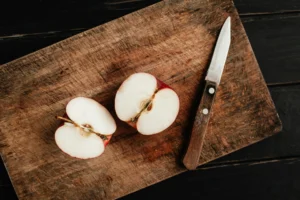
Remove the core completely using an apple corer or sharp knife. Cut away the stem and bottom end where the flower once attached. These woody parts aren’t toxic, but they’re tough to digest and offer no nutritional value. Then slice the remaining flesh into bite-sized pieces appropriate for your dog’s size. For a Chihuahua, think thin slivers. For a German Shepherd, half-inch cubes work well.
You can serve apples raw or lightly cooked. Raw preserves the maximum crunch factor and nutritional content. Cooking softens the texture for dogs with dental issues or sensitive stomachs, though you’ll sacrifice some vitamin C in the process. Never add sugar, cinnamon, or other seasonings—plain apple is what you’re after. Here’s a quick preparation checklist:
- Wash the apple thoroughly under running water
- Remove the entire core, including all seeds
- Cut away the stem and bottom flower remnant
- Slice into appropriately sized pieces for your dog’s breed
- Start with one or two small pieces to test tolerance
- Store unused portions in the refrigerator for up to five days
Portion Control and Feeding Frequency
The 10% rule governs all dog treats, apples included. Treats and snacks should comprise no more than 10% of your dog’s daily caloric intake, with the remaining 90% coming from complete, balanced dog food. For a 50-pound dog consuming roughly 1,000 calories daily, that means treats shouldn’t exceed 100 calories. A medium apple contains about 95 calories, so you’d max out at one apple per day—but even that’s pushing it.
A more practical approach: offer a few slices as an occasional treat, not a daily staple. Two or three thin slices twice a week provides variety and nutritional benefits without disrupting your dog’s regular diet. Too much apple, even without the core, can cause digestive upset. The high fiber content that benefits digestion in moderation becomes a problem in excess, leading to loose stools or diarrhea.
Small breeds require smaller portions. A Yorkshire Terrier weighing 7 pounds needs roughly 150-200 total daily calories. Even a couple apple slices can represent a significant percentage of their intake. Scale accordingly—one or two thumbnail-sized pieces might be plenty for toy breeds, while larger dogs can handle quarter-cup servings without issue.
Watch for These Warning Signs After Feeding Apples
Most dogs tolerate apples beautifully, but individual sensitivities exist. The first time you offer apple, give just one small piece and observe for 24 hours. Diarrhea or soft stools indicate your dog’s system struggled with the fiber load. Some dogs experience gas or bloating, especially if they ate too much too quickly. Vomiting within a few hours suggests the apple didn’t agree with their stomach.
Diabetic dogs require special consideration. Apples contain natural sugars—about 19 grams per medium fruit. While the fiber helps slow sugar absorption, diabetic dogs can still experience blood glucose spikes. Consult your veterinarian before adding any fruit to a diabetic dog’s diet, and monitor blood sugar levels closely if you get the green light.
Allergic reactions to apples are rare in dogs but not impossible. Watch for excessive scratching, red or inflamed skin, ear infections that appear shortly after introduction, or facial swelling. These symptoms warrant immediate veterinary attention. If your dog has known food sensitivities, introduce apples cautiously and consider an even smaller test portion.
Creative Ways to Incorporate Apples Into Your Dog’s Diet
Beyond hand-feeding plain slices, apples work wonderfully in homemade treats. Freeze apple chunks with a small amount of unsweetened, xylitol-free peanut butter for a cooling summer snack. The frozen texture provides extended chewing entertainment while soothing sore gums in teething puppies.
Dehydrated apple slices create portable training treats with concentrated flavor. Use a food dehydrator set to 135°F and dry slices for 6-8 hours until leathery but still slightly pliable. These shelf-stable treats travel well in your training pouch and break easily into reward-sized pieces. Store in an airtight container for up to two weeks.
Mix finely diced apple into your dog’s regular food as a flavor enhancer and fiber boost. Start with just a teaspoon mixed into their meal, especially if your dog tends toward picky eating. The natural sweetness often entices reluctant eaters without resorting to unhealthy toppers. You can also stuff apple pieces into puzzle toys or slow feeders to extend mental stimulation during solo play sessions.
Comparing Apples to Other Fruits Your Dog Can Eat
Apples sit comfortably in the middle ground of dog-safe fruits. Blueberries contain higher antioxidant levels but cost significantly more and lack that satisfying crunch. Watermelon offers superior hydration with 92% water content but creates a messier eating experience. Bananas provide more potassium but pack roughly double the sugar and calories per serving.
What apples do better than most alternatives is shelf life and convenience. They don’t require refrigeration until cut, last weeks in a fruit bowl, and need no special preparation beyond coring and slicing. Berries spoil within days. Bananas brown quickly. Apples maintain their texture and nutritional value, making them reliably available for spontaneous treat moments.
The fiber content in apples also surpasses many other dog-safe fruits. While strawberries and cantaloupe offer vitamins, neither delivers the same digestive benefits. For dogs prone to constipation or those needing weight management support, apples provide functional nutrition beyond simple treat value. They fill your dog’s stomach with fewer calories, potentially reducing begging between meals.
Conclusion: Making Smart Choices About Apples and Your Dog
So, can dogs eat apples? Absolutely, and most should enjoy them as part of a varied, balanced approach to treats and nutrition. The key lies in preparation—removing every seed and the entire core transforms apples from potentially hazardous to genuinely beneficial. Control portions according to your dog’s size and caloric needs, introduce gradually to assess tolerance, and watch for any unusual reactions.
Remember that treats, regardless of how healthy, supplement rather than replace complete dog food. Apples shine as a low-calorie, nutrient-rich option that satisfies your dog’s desire to crunch while supporting dental health and digestion. Start with a couple slices this week and see how your dog responds. You might just discover their new favorite reward for mastering that tricky recall command or simply being the wonderful companion they already are.
Related Articles
- Can Dogs Eat Bananas? A Complete Guide for Pet Owners
- Advanced Training for Great Pyrenees: Master Their Independence
- Anatolian Shepherd Advanced Training: A Complete Guide
- Advanced Training for Great Danes: Building a Gentle Giant
- Advanced Training Strategies for Different Dog Breeds
Frequently Asked Questions
Can puppies eat apples safely?
Yes, puppies can eat apples once they’re eating solid food, typically around 8 weeks old. Cut pieces extra small to prevent choking and match their tiny mouths. Start with just one or two thin slices to ensure their developing digestive systems tolerate the fiber well, and always supervise to make sure they chew thoroughly rather than gulping chunks whole.
Are apple peels safe for dogs to eat?
Apple peels are completely safe and actually contain additional fiber and nutrients. However, the peel’s tougher texture can be harder to digest for some dogs, potentially causing stomach upset. If your dog has a sensitive stomach, peel the apple before serving. Otherwise, leaving the skin on provides extra nutritional value and textural variety.
What should I do if my dog ate an apple core?
Monitor your dog closely for the next 24-48 hours for signs of intestinal blockage like vomiting, lethargy, loss of appetite, or straining to defecate. Small dogs or those who consumed large cores face higher risk. If any concerning symptoms appear or your dog seems uncomfortable, contact your veterinarian immediately. Most dogs pass small core pieces without issue, but it’s better to err on the side of caution.
Can dogs eat applesauce instead of fresh apples?
Unsweetened, plain applesauce without any additives is safe for dogs in small amounts. Check labels carefully—avoid any product containing added sugar, artificial sweeteners (especially xylitol, which is toxic), or spices like cinnamon and nutmeg. Fresh apples offer more fiber and nutritional benefits than processed applesauce, plus the crunchy texture provides dental benefits that puree cannot.
How many apple slices can I give my dog per day?
The safe amount depends on your dog’s size and daily caloric needs. For a medium-sized dog around 40-50 pounds, three to five thin slices make an appropriate treat. Smaller dogs should receive proportionally less—perhaps one or two slices for breeds under 20 pounds. Remember that all treats combined shouldn’t exceed 10% of daily calories, so adjust accordingly if you’re also giving other snacks or training rewards.