Chow Chow Advanced Training: Beyond the Basics
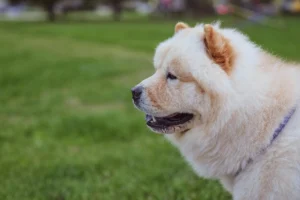
- Chow Chow Advanced Training: Beyond the Basics
- Understanding the Chow Mindset Before Advanced Work
- Building Motivation That Actually Works
- Creating a Reward Hierarchy
- Advanced Obedience Under Distraction
- Off-Leash Reliability (The Holy Grail)
- Managing Realistic Expectations
- Complex Behavior Chains and Task Training
- Reading and Responding to Stress Signals
- The 80% Success Rule
- Competitive Obedience and Chow Chows
- Maintaining Advanced Skills Long-Term
- Bringing It All Together
- Related Articles
- Frequently Asked Questions
- At what age can I start advanced training with my chow chow?
- Why does my chow chow perform perfectly at home but ignore commands in public?
- How long should training sessions last for advanced work?
- Can chows be trained for protection work or guard dog training?
- What should I do when my chow chow suddenly refuses to perform behaviors she knows well?
Chow Chow Advanced Training: Beyond the Basics
Your chow chow sits perfectly on command—most of the time. She’ll come when called—if she feels like it. You’ve mastered the basics, but now you’re staring at that regal, lion-maned companion wondering how to take things further. Maybe you want off-leash reliability, or perhaps you’re eyeing competitive obedience. Either way, you’ve discovered what every chow chow owner learns: these dogs didn’t read the typical training manual.
Advanced training with this breed isn’t about forcing compliance. It’s about understanding that you’re working with a dog bred for 2,000 years to think independently, guard vigilantly, and make their own decisions. The good news? Once you crack the code on what motivates your particular chow, they’re capable of impressive focus and precision.
Understanding the Chow Mindset Before Advanced Work
Here’s what separates novice training from advanced work with this breed: you need to stop thinking like a golden retriever owner. Chows weren’t bred to retrieve birds or herd sheep under constant human direction. They guarded temples, protected property, and survived by trusting their own judgment. That’s not stubbornness—it’s 2,000 years of selective breeding.
When you ask your chow to perform a complex behavior chain, she’s doing a quick cost-benefit analysis. Is this worth her energy? Does she trust your judgment? What’s the payoff? Unlike biddable breeds that find obedience inherently rewarding, your chow needs concrete reasons to comply. This means every advanced exercise must pass her internal “Why should I?” filter.
The most successful advanced training happens when you’ve built what I call “earned authority.” Your chow respects your decisions because you’ve proven yourself consistent, fair, and worth listening to. Rush this foundation, and even a dog who knows the behaviors will give you that famous chow side-eye and wander off.
Building Motivation That Actually Works
Forget everything you’ve heard about food not motivating chows. The problem isn’t that they don’t like treats—it’s that most owners offer boring ones. Your chow won’t perform a complex retrieve sequence for a dry biscuit when she could just… not. But for freeze-dried lamb lung? Suddenly you’ve got her attention.
Test a variety of high-value rewards during short three-minute sessions. Real chicken, beef liver, sardines, cheese aged for maximum stink—you’re looking for that moment when her ears perk forward and she actually focuses. Some chows go crazy for certain squeaky toys. Others prefer tug sessions. One chow I worked with would do anything for ice cubes, which made winter training sessions entertaining.
Creating a Reward Hierarchy
Map out three tiers of rewards based on your dog’s responses. Tier one covers easy, known behaviors—a small piece of regular kibble works fine. Tier two handles moderately challenging tasks—maybe string cheese or chicken. Tier three is reserved for breakthrough moments in advanced training—the truly exceptional stuff that makes her drool.
This hierarchy matters because chows are smart enough to notice when you’re asking for more effort but offering the same old reward. They’ll literally calculate whether the new behavior is worth learning. Use your tier-three rewards sparingly and strategically, marking major progress in complex sequences.
Advanced Obedience Under Distraction
Your chow performs beautifully in your quiet living room. At the park with other dogs, squirrels, and strangers? She acts like she’s never heard the word “down” in her life. This gap between home performance and real-world reliability is where advanced training begins.
Start by adding distractions systematically, not randomly. Set up a training session where a family member walks past at 20 feet while your chow holds a stay. If she breaks, that distance was too challenging. Move to 25 feet. You’re looking for the threshold where she can succeed with effort—not easy compliance, but not complete failure either.
Here’s a six-week progression that works well:
- Familiar person walking past at distance
- Familiar person bouncing a ball at distance
- Unfamiliar person standing still at distance
- Unfamiliar person moving at distance
- Another calm dog on leash at distance
- Multiple mild distractions simultaneously
Each week, gradually decrease distance only when your chow maintains focus for three consecutive sessions. Chows need time to generalize behaviors—they don’t automatically understand that “stay” in the kitchen means the same thing as “stay” at the park. You’re essentially teaching the same command in dozens of contexts.
Off-Leash Reliability (The Holy Grail)
Let’s be honest: most chow chows will never have the rock-solid recall of a border collie. But reliable off-leash work is possible if you accept that it’ll look different. You’re aiming for a chow who checks in regularly, comes when called in moderately distracting environments, and stays within your general vicinity by choice.
Start with a 30-foot long line in a fenced area. Call your chow, reward generously when she comes, then immediately release her to go explore again. Most owners make the mistake of calling their dog, rewarding, then ending the fun. Your chow quickly learns that coming when called means the good times are over. Instead, make recalls mean “touch base, get a treat, carry on.”
Practice the “emergency recall” separately from your regular come command. Pick a unique word (I use “NOW”) and pair it with the most valuable reward you’ve ever offered. For two weeks, say this word and produce incredible rewards without asking her to do anything else. Just word, then jackpot. When you eventually use it to call her, she’ll have a conditioned response that bypasses her decision-making process.
Managing Realistic Expectations
Even well-trained chows shouldn’t be off-leash near traffic, in unfenced areas with wildlife, or in situations where a delayed recall could be dangerous. Their prey drive can kick in suddenly, and their independent nature means they might decide that investigating something interesting outweighs your recall command. Use off-leash freedom in controlled environments, and consider a long line your permanent accessory elsewhere.
Complex Behavior Chains and Task Training
Chows excel at task-oriented training when they understand the purpose. Teaching your chow to retrieve your slippers, close doors, or carry items has a better success rate than drilling endless repetitions of formal heeling. Why? Because these dogs were bred to have jobs, and task work engages their problem-solving abilities.
Break complex behaviors into tiny increments. Let’s say you’re teaching your chow to fetch the newspaper. Your initial sessions focus solely on picking up paper. Not holding it, not bringing it—just touching it with her mouth. Reward that specific action 10-15 times until she’s reliably offering it.
Next session, reward only when she picks it up and holds briefly. Then add duration. Then add a single step while holding. You’re building the final behavior piece by piece, and chows respond well to this methodical approach. They like understanding each component before tackling the whole sequence.
Here’s what a realistic two-month timeline looks like for a moderate-complexity task:
- Week 1-2: Touch and mouth the object, 5-minute sessions twice daily
- Week 3-4: Pick up and hold for 3 seconds, same frequency
- Week 5-6: Hold while taking steps, building to 10 feet
- Week 7: Complete the retrieve to hand, shorter distances
- Week 8: Add distance and the verbal cue, proof in different locations
Reading and Responding to Stress Signals
Advanced training pushes your chow’s abilities, which means you’ll occasionally ask for more than she’s ready to give. The difference between good trainers and great ones? Great trainers recognize stress signals before their dog shuts down completely.
Watch for the subtle signs: tongue flicks, yawning during training, sudden scratching, looking away, moving in slow motion, or that classic chow “I’m done” move where she simply sits and stares past you. These aren’t defiance—they’re communication. Your dog is telling you the session is too long, too difficult, or too stressful.
When you see these signals, end on something easy she can succeed at, reward, and finish the session. Pushing through stress doesn’t build toughness in chows; it builds reluctance to train. I learned this the hard way with a client’s chow who started hiding when she saw the training treats come out. We’d pushed too hard on duration stays, and she’d started associating training with stress rather than success.
The 80% Success Rule
Structure your training sessions so your chow succeeds about 80% of the time. If she’s nailing every single repetition, you’re not challenging her enough. If she’s failing more than 20-30% of attempts, you’ve jumped ahead too quickly. That sweet spot of mostly succeeding with occasional challenges keeps her engaged without overwhelming her independent spirit.
Competitive Obedience and Chow Chows
Can chows compete successfully in formal obedience? Absolutely, though you’ll probably never see the enthusiastic, bouncy heeling of sporting breeds. What you will see is precise, dignified work from a dog who’s mastered self-control and focus.
The key to competition success is training behaviors to fluency well beyond what’s required. If the trial requires a one-minute sit-stay, train for three minutes in more distracting environments. This gives your chow a buffer zone where even if she’s having an “I’d rather not” day, she can still perform adequately.
Match preparation matters enormously with this breed. Attend “fun matches” or practice in new locations monthly, minimum. Chows can be brilliant at home and fall apart in new environments if they haven’t generalized their training. One chow I know earned her CD title, but it took two years of consistent exposure to training facilities before she’d reliably work around other dogs.
Maintaining Advanced Skills Long-Term
You’ve spent months building advanced behaviors. Now comes the harder part: keeping those skills sharp without boring your chow into retirement from training. These dogs have long memories, but they also get fed up with mindless repetition faster than most breeds.
Rotate through your advanced behaviors rather than drilling the same ones repeatedly. Monday might focus on complex retrieves, Wednesday on distance work and stays, Friday on heeling patterns. Keep sessions under 10 minutes for most chows—their focus is excellent but not infinite, and they’d rather do one thing excellently than three things sloppily.
Introduce novel variations of known behaviors. If your chow has mastered retrieving a dumbbell, try different objects, different locations, or adding obstacles she must navigate around. This mental engagement prevents the “we’ve done this already” attitude that chows are famous for developing.
Bringing It All Together
Advanced chow chow training isn’t about forcing a square peg into a round hole. It’s about recognizing you’ve got a brilliant, independent thinker who needs purpose, clarity, and respect in her work. The chows who excel in advanced training aren’t necessarily the most naturally obedient—they’re the ones whose owners learned to communicate clearly, reward generously, and quit while ahead.
Your training relationship should evolve as your chow matures and masters new skills. That puppy who needed frequent rewards and short sessions might become an adult who works for longer periods and finds satisfaction in the work itself. Stay observant, adjust your methods to your individual dog, and remember that progress isn’t always linear with this breed.
Start with one advanced skill this month. Maybe it’s perfecting that recall in your fenced yard, or teaching your chow to retrieve the remote control. Work in small increments, celebrate tiny victories, and build the foundation for a training relationship that deepens over years, not weeks. Your chow chow is capable of impressive things—she just needs you to ask in a way that makes sense to her independent, intelligent mind.
Related Articles
- Advanced Training for Great Pyrenees: Master Their Independence
- Advanced Training for Great Danes: Building a Gentle Giant
- Advanced Training Strategies for Different Dog Breeds
- Advanced Training Techniques for Your Cocker Spaniel
- Advanced Shih Tzu Training: Beyond the Basics
Frequently Asked Questions
At what age can I start advanced training with my chow chow?
Most chows are mentally ready for advanced work around 12-18 months old, once they’ve mastered basic obedience reliably. However, you can introduce foundations for complex behaviors earlier through play and short training games. The key is matching the difficulty to your individual dog’s maturity level, as some chows remain mentally adolescent until age two or three.
Why does my chow chow perform perfectly at home but ignore commands in public?
Chows struggle with generalization more than many breeds, meaning they don’t automatically understand that “sit” at home means the same thing as “sit” at the park. You need to systematically train each behavior in multiple environments, gradually increasing distractions. This isn’t stubbornness—it’s how their brains process training, requiring you to essentially re-teach commands in each new context.
How long should training sessions last for advanced work?
Keep sessions between five and ten minutes for most chows, doing 2-3 sessions daily rather than one long session. These dogs have excellent focus when engaged but low tolerance for repetitive drilling. Shorter, high-quality sessions where your chow succeeds frequently will always outperform longer sessions where she gets bored or stressed.
Can chows be trained for protection work or guard dog training?
While chows have natural guarding instincts, formal protection training is generally not recommended for this breed. Their territorial nature and low tolerance for strangers can make professional bite work unpredictable, and they don’t have the handler focus required for controlled protection sports. Instead, their natural watchdog abilities and intimidating presence provide plenty of deterrent value without formal training.
What should I do when my chow chow suddenly refuses to perform behaviors she knows well?
Sudden refusal often signals physical discomfort, especially in a breed prone to hip and joint issues. Rule out pain with your veterinarian first. If health isn’t the issue, evaluate whether you’ve been drilling too repetitively, if your rewards have become less motivating, or if environmental stressors are affecting her willingness to work. Sometimes chows just need a training break for a week or two to reset their attitude.