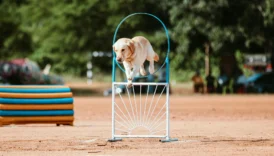
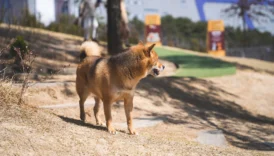
Advanced Training for the Catahoula Leopard Dog

- Advanced Training for the Catahoula Leopard Dog
- Understanding the Catahoula Mind Before Advanced Work
- Building Bulletproof Recall in High-Distraction Environments
- The Emergency Recall Protocol
- Channeling Their Natural Herding and Hunting Drive
- Advanced Obedience: Adding Distance, Duration, and Distractions
- Off-Leash Obedience in Unfenced Areas
- Problem-Solving Complex Behavioral Challenges
- Training for Specific Jobs and Sports
- Maintaining Drive While Building Control
- Wrapping Up Your Advanced Training Journey
- Related Articles
- Frequently Asked Questions
- Are Catahoula Leopard Dogs harder to train than other breeds?
- At what age should I start advanced training with my Catahoula?
- Can Catahoulas ever be trusted off-leash completely?
- How much time should I dedicate to advanced training sessions?
- What's the best motivation for advanced Catahoula training: food, toys, or praise?
Advanced Training for the Catahoula Leopard Dog
Your Catahoula just stared at you during a recall, cocked her head slightly to the right, and then deliberately turned to investigate that rustling in the bushes instead. You know she heard you. She’s not being stubborn—well, not exactly. That’s the catahoula leopard dog in action: brilliant, calculating, and always asking “why should I?” before complying. If you’ve mastered the basics and you’re ready to transform that independent thinker into a reliable partner for complex work, you’re in the right place.
Understanding the Catahoula Mind Before Advanced Work
Before you can train a Catahoula at an advanced level, you need to accept a fundamental truth: they weren’t bred to blindly follow commands. Louisiana hog hunters needed dogs who could make split-second decisions in treacherous swampland, often working out of sight. That legacy shows up every single day. Your dog is constantly evaluating whether your request makes sense given the current situation.
This isn’t defiance—it’s discernment. A border collie might repeat a command eagerly just for the joy of compliance. Your Catahoula? She’s running a cost-benefit analysis. The good news is that once you establish yourself as a leader worth following and make training genuinely engaging, these dogs excel at complex tasks that would bore other breeds to tears. They thrive on challenges that require problem-solving, not mindless repetition.
Watch your dog’s eyes during training sessions. That intense, focused stare means they’re locked in and processing. The moment those eyes start drifting or they break eye contact repeatedly, you’ve lost them—either the exercise is too repetitive, the reward isn’t motivating enough, or they don’t see the point. Adjust immediately or you’ll just be cementing bad habits.
Building Bulletproof Recall in High-Distraction Environments
The recall that works in your backyard falls apart completely when a squirrel appears, another dog barks, or their prey drive kicks in. For a working Catahoula, you need recall that overrides their strongest instincts. This takes months, not weeks, so settle in.
Start with the long line—I’m talking 30 to 50 feet, not those wimpy 15-foot leashes. Find a large field where your dog can see plenty of interesting things but not escape. Let them wander to the end of the line, wait until they’re genuinely distracted by something, then call once in an upbeat tone. The instant you call, start moving backwards quickly. If they don’t respond within two seconds, use the line to guide them toward you (not yank—guide with steady pressure). The moment they turn toward you, release all pressure and throw a party when they arrive.
Here’s what separates adequate recall from excellent recall: variable rewards. Sometimes they get boring kibble. Sometimes they get that special freeze-dried liver they’d sell their soul for. Occasionally, recalling means you immediately release them to go back to what they were doing (“okay, go play!”). This last one is crucial—Catahoulas are too smart to fall for the trick where recall always means fun ends.
The Emergency Recall Protocol
Train a separate, sacred emergency recall that you’ll use maybe five times per year in genuine emergencies. Pick a sound you’d never use otherwise—I use a specific two-tone whistle, but you could use an unusual word like “BINGO” or “BACON.” Whatever you choose, never poison it by using it casually.
For three weeks, say the emergency word then immediately deliver the most valuable thing your dog knows—real chicken, cheese, a favorite toy, whatever makes them lose their mind. Do this randomly throughout the day, not during training sessions. You’re building a Pavlovian response that bypasses their thinking brain entirely. Never test this recall unless you can guarantee success or it’s a true emergency.
Channeling Their Natural Herding and Hunting Drive
Trying to suppress a Catahoula’s working drive is like trying to stop a river with your hands. Instead, redirect that powerful current into controlled channels. These dogs were literally bred to manage wild hogs and cattle, so they’ve got intensity to spare.
Treibball is phenomenal for Catahoulas. It’s essentially herding with giant exercise balls instead of livestock, and it requires the dog to think strategically about how to move objects into a goal. The first few sessions will be chaotic—your dog might bite the balls, try to climb on them, or just stare at you like you’ve lost your mind. Break it down into tiny steps: reward looking at the ball, then nosing it, then any movement of the ball, then directional movement.
Barn hunt and nose work tap into their hunting heritage beautifully. These aren’t just games—they’re genuine work that satisfies something deep in their DNA. A Catahoula who’s had 20 minutes of intense nose work is mentally exhausted in the best way, much more satisfied than after an hour of mindless fetch.
Advanced Obedience: Adding Distance, Duration, and Distractions
Your Catahoula holds a solid down-stay for two minutes while you’re standing right there. Great. Now try it from 40 feet away while someone bounces a ball nearby. That’s the gap between basic and advanced obedience—the three Ds of distance, duration, and distractions.
The cardinal rule: only increase one D at a time. If you’re adding distance, keep duration short and distractions minimal. Catahoulas shut down when set up to fail repeatedly, so structure your training so they succeed 80% of the time. Here’s a practical progression for a down-stay:
- Week 1-2: Build to five-minute duration with you standing beside them, zero distractions
- Week 3-4: Maintain three-minute duration, move 10 feet away, return frequently to reward
- Week 5-6: Stay at 10 feet, increase back to five minutes, add mild distractions like a person walking by at 20 feet
- Week 7-8: Push to 20 feet distance, drop duration back to two minutes
- Week 9-10: Gradually layer in more challenging distractions while maintaining distance
Use a release word religiously—”okay” or “break” or “free.” Your dog should never decide independently when the exercise is over. If they break position, calmly return them to the exact spot without repeating the command or showing frustration. Then immediately make the exercise easier so they can succeed.
Off-Leash Obedience in Unfenced Areas
This is the pinnacle, and honestly, not every Catahoula will get here. Some have prey drive that’s simply too strong, and that’s okay. For dogs with potential, you’re looking at a year minimum of consistent training before you can trust them in genuinely risky environments.
Start in a large fenced area and practice every command you know with the leash dragging. If you need to step on that leash even once, you’re not ready to drop it. Once you’ve got 100% compliance with the leash dragging for three consecutive sessions, remove it but stay in the fenced area for at least another month. Gradually introduce every distraction you can imagine: other dogs, people, food on the ground, toys, wildlife (from a distance initially).
Problem-Solving Complex Behavioral Challenges
Catahoulas often develop sophisticated “problems” that are actually misdirected intelligence. Your dog isn’t being bad—they’re being bored, under-stimulated, or confused about their role in your household.
Take barrier frustration, common in this breed. Your dog loses their mind at the fence when other dogs walk by, not because they’re aggressive but because they’re frustrated they can’t investigate and control the situation. Punishment makes this worse because you’re adding more negative emotion to an already emotional situation. Instead, catch them before they hit threshold—that moment right before they explode—and redirect to an incompatible behavior like a hand touch or finding a hidden toy. Reward heavily for disengaging from the trigger.
Resource guarding in Catahoulas often stems from their natural possessiveness over “their” territory and “their” people. If your dog guards food bowls or bones, never take the approach of just grabbing things away to show dominance. That confirms their fear that you’re a thief. Instead, play the “trading game”—approach with something even better, trade up, give back the original item. Repeat until your approach predicts good things, not theft.
Selective hearing—or what looks like spite—usually means the reward history for that command is weak or the command has been poisoned by nagging. If you’ve said “come” 47 times while your dog ignores you, that word is now meaningless. Pick a new recall word, rebuild it from scratch with amazing rewards, and never repeat commands. One clear cue, then either enforce with gentle leash guidance or make it easier so they can succeed.
Training for Specific Jobs and Sports
These dogs come alive when they have genuine work. They’re not content being couch ornaments, no matter how much they love you. The key is matching their natural abilities to appropriate outlets.
For protection sports like French Ring or PSA, Catahoulas bring natural suspicion and territoriality, but they’re not generally as handler-focused as Malinois or German Shepherds. You’ll need to invest heavily in building drive and making yourself the most exciting thing in their world. Their bite work is typically powerful and committed, but getting clean outs (releasing the bite on command) requires patience because they really don’t want to let go once they’ve engaged.
Dock diving and water work suit many Catahoulas beautifully, especially those with webbed feet (common in the breed). They’re natural swimmers with courage to spare. Start young with positive water experiences—never throw a puppy in. Let them wade at their own pace, make it fun with floating toys, and build confidence gradually.
Scent detection work might be their secret superpower. Whether it’s tracking, trailing, or article searches, their noses are exceptional and their determination is unmatched. They’ll work a scent trail long after other breeds give up. The challenge is teaching them to communicate finds clearly rather than just solving the puzzle independently and moving on.
Maintaining Drive While Building Control
Here’s the tightrope walk with this breed: you need them enthusiastic and engaged, but you also need an off switch. Too much correction and you’ll extinguish their drive. Too little structure and you’ll have a wild animal, not a trained partner.
Build a pre-work ritual that tells your dog “we’re working now.” Maybe it’s putting on a specific collar, a particular phrase, or going to a training location. This context helps them understand when to be “on” versus when they can relax. Similarly, create a clear end-of-session marker—I use “all done” plus removing the training collar—that tells them work is over.
Balance high-energy training with calm behaviors. For every five minutes of intense work (retrieving, agility, bite work), require two minutes of calm settling on a mat or in a down-stay. This isn’t punishment—it’s teaching them to cycle between arousal states, which is crucial for a dog with this much natural intensity.
Watch for signs of stress: yawning, lip licking, whale eye (showing the whites), shaking off, or sudden sniffing. These aren’t signs your dog is defiant—they’re literally stress signals. When you see them, immediately make the exercise easier or take a complete break. Training through stress creates fearful, shut-down dogs, not confident working partners.
Wrapping Up Your Advanced Training Journey
Training a catahoula leopard dog to an advanced level isn’t a six-week project with a tidy ending. It’s an ongoing conversation between two intelligent beings figuring out how to work together. Some days you’ll feel like a genius when they nail a complex behavior chain on the first try. Other days they’ll ignore a basic sit and leave you questioning everything.
The dogs who excel at advanced work are the ones whose owners embraced their independence rather than fighting it. They built training around motivation and clarity, not dominance and repetition. They accepted that this breed will always ask “why” before “how high,” and they made peace with that. If you can do the same—if you can appreciate the challenge and stay consistent through the setbacks—you’ll end up with a dog who can do absolutely remarkable things. Start with one advanced skill this week, break it into smaller steps than you think necessary, and remember that every successful repetition is building the foundation for something bigger.
Related Articles
- Advanced Training Strategies for Different Dog Breeds
- Australian Cattle Dog Advanced Training Guide
- Advanced Training for Great Pyrenees: Master Their Independence
- Anatolian Shepherd Advanced Training: A Complete Guide
- Advanced Training for Great Danes: Building a Gentle Giant
Frequently Asked Questions
Are Catahoula Leopard Dogs harder to train than other breeds?
They’re not harder, but they’re different. Catahoulas are extremely intelligent and were bred to work independently, which means they question commands that don’t make sense to them. They learn quickly when motivated but won’t perform for praise alone like some herding breeds. With the right approach focused on engagement rather than repetition, they can master complex skills faster than many “easier” breeds.
At what age should I start advanced training with my Catahoula?
You can introduce advanced concepts as early as six months, but true advanced work should wait until 12-18 months when their attention span and physical development can handle it. Focus on building a strong foundation of basic obedience and impulse control first. Rushing into advanced training before they’re mentally ready often creates more problems than it solves, especially with this independent breed.
Can Catahoulas ever be trusted off-leash completely?
Some can, but it depends entirely on the individual dog’s prey drive and your training consistency. Even with extensive training, many Catahoulas will always have moments where instinct overrides training, especially around wildlife or livestock. It’s not a failure of training—it’s their breeding showing through. Always assess your specific dog honestly rather than assuming all advanced training leads to perfect off-leash reliability.
How much time should I dedicate to advanced training sessions?
Keep individual sessions short—10 to 15 minutes maximum—but train multiple times daily. Catahoulas have excellent focus when engaged, but they bore quickly with repetition. Three 15-minute sessions throughout the day beats one hour-long marathon every time. Quality repetitions with full engagement matter far more than quantity with a distracted dog.
What’s the best motivation for advanced Catahoula training: food, toys, or praise?
Food works best for most Catahoulas, particularly high-value proteins like real meat or cheese. Toys work well for dogs with strong prey drive, especially for building speed and enthusiasm. Praise alone rarely motivates this breed for difficult work—they’re too practical for that. The real secret is variability: mix up rewards so they never know if this repetition brings chicken, their favorite ball, or just a quick release to go explore.