Can Dogs Eat Tomatoes? What Every Owner Should Know
- Can Dogs Eat Tomatoes? What Every Owner Should Know
- The Science Behind Tomatoes and Dog Safety
- Which Parts of the Tomato Plant Are Dangerous
- The Danger Zone
- The Safe Zone
- Signs Your Dog Ate Something They Shouldn't Have
- How to Safely Feed Tomatoes to Your Dog
- Preparation Matters
- Serving Size Guidelines
- Skip These Tomato Products
- What to Do If Your Dog Raids the Garden
- Alternatives That Pack Similar Nutrition
- The Bottom Line on Tomatoes in Your Dog's Diet
- Related Articles
- Frequently Asked Questions
- Can puppies eat tomatoes?
- Are cherry tomatoes safer than regular tomatoes for dogs?
- How much green tomato is toxic to dogs?
- Can tomatoes cause allergies in dogs?
- Will cooked tomatoes hurt my dog less than raw ones?
Can Dogs Eat Tomatoes? What Every Owner Should Know
You’re slicing cherry tomatoes for a salad when one rolls off the cutting board. Before you can grab it, your dog’s already there—nose twitching, eyes hopeful. You pause mid-reach. Can dogs eat tomatoes, or is this one of those foods you need to snatch away before disaster strikes?
The answer isn’t quite as simple as yes or no. Ripe, red tomatoes are generally safe for dogs in small amounts, but certain parts of the tomato plant contain substances that can make your pup seriously ill. Before you share your garden harvest or let another cherry tomato hit the floor, you’ll want to understand exactly what’s safe and what could send you rushing to the emergency vet at 2 a.m.
The Science Behind Tomatoes and Dog Safety
Tomatoes belong to the nightshade family, which includes potatoes, eggplants, and peppers. The green parts of these plants—stems, leaves, and unripe fruit—contain two compounds called solanine and tomatine. These alkaloids exist as the plant’s natural defense system against insects and animals that might otherwise devour them before they reproduce.
Here’s where it gets interesting for dog owners: as a tomato ripens and turns from green to red, the tomatine levels drop dramatically. A fully ripe, red tomato contains such small amounts that your dog’s body can process them without issue. But those green tomatoes in your garden? They can contain tomatine concentrations up to 5% of their dry weight. For a 20-pound dog, eating several unripe tomatoes or a handful of leaves could trigger symptoms ranging from mild stomach upset to more serious neurological effects.
The ripe flesh of a red tomato, though? That’s a different story. It’s packed with lycopene (an antioxidant), vitamin C, and fiber. Many commercial dog foods actually include tomato pomace—the skin, pulp, and crushed seeds left after making tomato juice—as a fiber source and natural flavoring.
Which Parts of the Tomato Plant Are Dangerous
Think of the tomato plant like a traffic light for your dog’s safety. Red means go, yellow means caution, and green means stop—literally.
The Danger Zone
These parts should never become your dog’s snack:
- Leaves and stems: The highest concentration of tomatine lives here. Even a few chewed leaves can cause stomach upset in small dogs.
- Green, unripe tomatoes: That hard, golf-ball-sized green tomato has roughly 10 times more tomatine than its ripe counterpart.
- Flowers: Less common for dogs to eat, but they contain concerning levels of alkaloids too.
- Roots: If your digger unearthed your tomato plants, keep them away from the root system entirely.
The Safe Zone
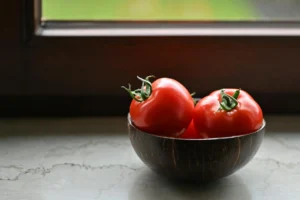
Ripe, red tomato flesh is the only part you should consider sharing. The key word is “ripe”—we’re talking deep red, soft to gentle pressure, and sweet-smelling. Those half-green “transitional” tomatoes you sometimes see at the store? Skip them for your dog.
Signs Your Dog Ate Something They Shouldn’t Have
Let’s say your garden-loving retriever decided to “prune” your tomato plants while you were inside. Solanine and tomatine poisoning doesn’t always show up immediately—symptoms typically appear within 6 to 12 hours after ingestion.
Watch for these warning signs:
- Excessive drooling or difficulty swallowing
- Loss of appetite that lasts more than a few hours
- Vomiting or diarrhea, especially if it continues beyond one or two episodes
- Lethargy or seeming “off”—not greeting you at the door, sleeping more than usual
- Dilated pupils or apparent vision problems (bumping into furniture, hesitant movements)
- Weakness in the hind legs or an unsteady gait
- Slow heart rate (you can feel this by pressing gently on the chest between the front legs)
- Confusion or disorientation—not responding to their name, staring at walls
Severe cases are rare but can include tremors or seizures. If you see neurological symptoms, you’re dealing with a genuine emergency. Don’t wait to see if things improve—get to a veterinary clinic immediately.
For mild symptoms like a single bout of vomiting or loose stool, call your vet’s office. They’ll ask about the quantity consumed, your dog’s weight, and when the incident happened. This information helps them determine whether you need to come in or can monitor at home.
How to Safely Feed Tomatoes to Your Dog
Assuming you’ve got perfectly ripe tomatoes, here’s how to make them dog-friendly.
Preparation Matters
Remove any green parts—including that little stem attachment at the top. Some dogs have sensitive stomachs, and tomato skin can be tough to digest. If your pup has a history of digestive issues, peel the tomato first or blanch it for 30 seconds in boiling water (the skin will slip right off).
Cut the tomato into bite-sized pieces appropriate for your dog’s size. For a Chihuahua, that might mean quarter-inch cubes. For a Labrador, half-inch pieces work fine. You’re preventing choking hazards and making it easier for their system to process.
Serving Size Guidelines
Start small—especially if this is your dog’s first tomato experience. One or two small pieces are plenty for an initial trial. Wait 24 to 48 hours to see how their digestive system responds. Some dogs handle tomatoes beautifully; others get gassy or develop soft stools.
For regular feeding, think of tomatoes as an occasional treat, not a dietary staple. A few chunks mixed into their regular meal once or twice a week is reasonable. The general rule nutritionists recommend: treats and extras should make up no more than 10% of your dog’s daily calories. For a 50-pound dog eating roughly 1,000 calories daily, that’s about 100 calories from treats. A cup of cherry tomatoes contains approximately 27 calories, so even a generous serving fits within those boundaries.
Skip These Tomato Products
That leftover marinara sauce might seem like an easy way to add tomato to your dog’s kibble, but hold up. Most tomato products designed for humans contain ingredients that range from unnecessary to harmful for dogs:
- Tomato sauce and marinara: Loaded with onion and garlic, both toxic to dogs in meaningful amounts
- Ketchup: High in sugar and salt, plus it often contains onion powder
- Salsa: Onions again, plus jalapeños that’ll give your dog an unpleasant experience
- Sun-dried tomatoes: Concentrated and often packed in oil with seasonings
- Tomato soup: Salt content through the roof, plus cream that might upset sensitive stomachs
Stick with fresh, plain, ripe tomatoes. Your dog doesn’t need the seasonings anyway—they experience flavor differently than we do.
What to Do If Your Dog Raids the Garden
Prevention beats treatment every time. If you grow tomatoes, fence off your garden or use raised beds that curious snouts can’t reach. Some dogs couldn’t care less about plants; others treat gardens like all-you-can-eat buffets.
Found evidence of a tomato plant massacre? Don’t panic, but do assess the situation quickly. Check what’s missing—mostly ripe fruit, or did they strip leaves and green tomatoes too? The quantity and type matter significantly.
If your 70-pound German Shepherd ate three ripe tomatoes, they’ll probably be fine (though they might have some digestive gurgling). If your 15-pound terrier consumed half a green tomato plus leaves, call your vet immediately. They might recommend inducing vomiting if the ingestion happened within the past two hours, or they might want to see your dog for monitoring and supportive care.
Take photos of the damage if possible—showing your vet exactly what’s missing helps them calculate potential toxin exposure more accurately.
Alternatives That Pack Similar Nutrition
Maybe your dog didn’t love tomatoes, or you’d rather avoid the nightshade family altogether. Plenty of other fruits and vegetables deliver similar nutritional benefits without any toxicity concerns.
For lycopene and antioxidants, try watermelon (seedless, no rind) or cooked sweet potato. Both are generally huge hits with dogs and much safer if you accidentally leave the bag on the counter. Blueberries pack even more antioxidants than tomatoes and come in convenient, pre-portioned packages that nature designed for snacking.
If you want the fiber and vitamins tomatoes offer, consider carrots (raw or cooked), green beans (plain steamed), or small pieces of apple (no seeds—they contain cyanide compounds). Cucumber slices work wonderfully for dogs who love crunchy, water-rich snacks.
The Bottom Line on Tomatoes in Your Dog’s Diet
So, can dogs eat tomatoes? Yes, but with important caveats that responsible owners need to follow. Ripe, red tomato flesh is safe and even nutritious in moderation. Everything else—the plant, green fruit, stems, and leaves—poses real risks that aren’t worth taking.
If you love gardening and sharing fresh produce with your pup, tomatoes can absolutely be part of that experience. Just keep your dog away from the plants themselves, wait for perfect ripeness, prepare the fruit properly, and start with small portions. Pay attention to how your individual dog responds; some have iron stomachs, while others react to new foods with digestive drama.
When in doubt, remember that your dog’s regular, complete, and balanced dog food provides everything they need nutritionally. Treats like tomatoes are bonuses—fun additions that strengthen your bond and add variety to their diet. They’re not requirements, and if tomatoes cause any issues for your particular pup, leaving them off the menu entirely won’t hurt them one bit.
Trust your instincts, watch your dog’s reactions, and don’t hesitate to reach out to your veterinarian with questions. They’d much rather answer a quick call about whether something’s safe than treat a sick dog later.
Related Articles
- Can Dogs Eat Apples? A Complete Safety Guide for Pet Owners
- Can Dogs Eat Watermelon? A Complete Safety Guide
- Can Dogs Eat Bananas? A Complete Guide for Pet Owners
- Can Dogs Have Bananas? A Complete Guide for Pet Owners
- Hypoallergenic Dogs: Advanced Training for Allergy-Friendly Pets
Frequently Asked Questions
Can puppies eat tomatoes?
Puppies can eat small amounts of ripe, red tomato flesh, but their digestive systems are more sensitive than adult dogs. Wait until your puppy is at least 12 weeks old and fully transitioned to solid food before introducing any new treats. Start with a piece no larger than a blueberry and watch for any digestive upset over the next 24 hours.
Are cherry tomatoes safer than regular tomatoes for dogs?
Cherry tomatoes aren’t inherently safer—the same rules apply about ripeness and removing green parts. However, their small size does create a choking hazard for dogs who gulp food without chewing. If you’re sharing cherry tomatoes, cut them in half or quarters first, depending on your dog’s size.
How much green tomato is toxic to dogs?
The toxic dose varies based on your dog’s weight and the tomato’s tomatine concentration, but even small amounts can cause problems. As little as one medium green tomato can trigger symptoms in a 20-pound dog. Larger dogs have more tolerance, but there’s no “safe” amount of green tomato to intentionally feed your pet.
Can tomatoes cause allergies in dogs?
True food allergies to tomatoes are rare in dogs, but they can happen. Signs include itching, red skin, ear infections, or gastrointestinal upset that continues beyond the initial introduction period. If your dog shows these symptoms after eating tomatoes, eliminate them from the diet and consult your vet about potential allergies or sensitivities.
Will cooked tomatoes hurt my dog less than raw ones?
Cooking doesn’t reduce tomatine in green parts of the plant, so cooked green tomatoes are still dangerous. For ripe red tomatoes, cooking actually increases the bioavailability of lycopene, making the antioxidants easier to absorb. Plain cooked tomato (no seasonings, onions, or garlic) is just as safe as raw for dogs, though many prefer the texture of fresh tomato.